
May 1, 2026 by Grace Panter
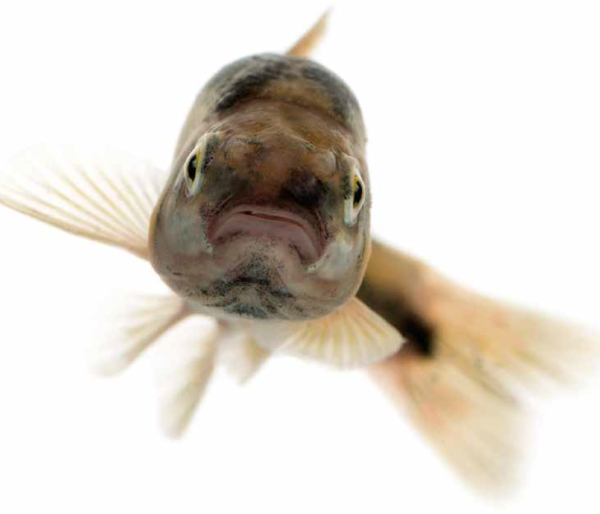
Be the first to read our latest publication. Grace Panter and Becky Brown, with colleagues from AstraZeneca, Experimental Pathology Laboratories Inc., Smithers Wareham and Corteva AgriScience have just published a review paper evaluating whether the use of a Fathead Minnow Extended One-Generation Reproduction Test (FEOGRT) can be considered a useful approach in assessing endocrine disruption in fish.
The fathead minnow (Pimephales promelas) is a core test species in ecotoxicology research, including fish life-cycle toxicity and endocrine disruptor testing. The FEOGRT incorporates key life stages and endpoints across three generations, enabling detection of both manifest and potential transgenerational toxicity. It includes mechanistic information on endocrine sensitive parameters, such as vitellogenin, male secondary sex characteristics, sex ratio and gonadal histopathology, and parameters useful for assessing adversity (i.e. growth, development and reproduction). The proposed FEOGRT is based on a series of adopted Organisation for Economic Co-operation and Development (OECD) fish test guidelines that have been validated using this species.
The potential benefits of undertaking a FEOGRT, over extended one-generation tests in other species such as medaka (MEOGRT) or zebrafish (ZEOGRT), are comprehensively discussed, including ethical considerations (e.g., reducing the number of test animals), practical benefits (e.g., species concordance and availability of existing data), and improved sensitivity (e.g., power analysis).
Overall, the FEOGRT represents a robust test design comparable to the MEOGRT and ZEOGRT, offering a valuable alternative for assessing reproductive and endocrine toxicity in fish and deserving equal consideration for regulatory acceptance. This review provides strong justification for the FEOGRT design.
Find out more about this Open Access publication by accessing the proof here, and if you have any questions or queries, or wish further information how wca can offer you support please contact us.
Image credit: iStock.com/GlobalP
From our blog
October 14, 2026 by Iain Wilson