
February 5, 2026 by Becky Brown
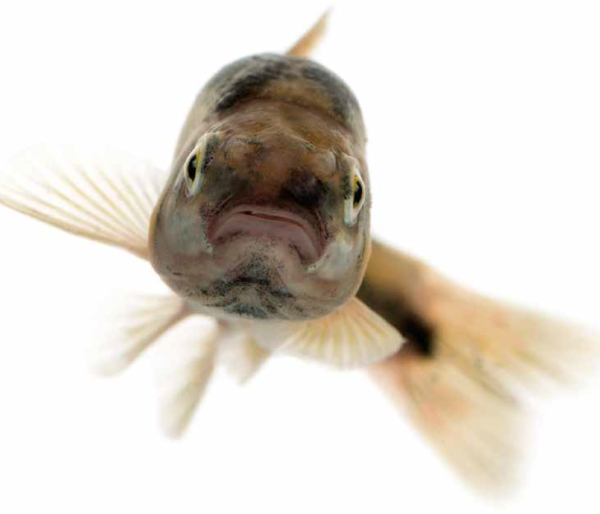
We are pleased to be able to share a report that wca prepared on behalf of the Environment Agency (EA) on deriving threshold levels for endocrine disrupting (ED) chemicals. The EA required guidance for Applicants whose substances have been assessed as Substances of Very High Concern (SVHC) due to ED properties, to make a case for Authorisation based on demonstration of “adequate control” (i.e. exposure concentrations are below an acceptable threshold). This project looked at three case study oestrogenic substances (ethinyloestradiol (EE2), nonylphenol (NP) and octylphenol (OP)) to consider whether threshold levels could be applied. The focus was on high quality data relevant for the endocrine mode of action (i.e. effects in OECD Conceptual Framework Level 3-5 fish studies) (OECD 2018). The suitability of each dataset was compared to the SETAC Pellston Workshop® criteria (Matthiessen et al., 2017) and mechanistic results were reviewed to provide supporting context. It was concluded that threshold levels were plausible for all three substances, but high-quality in vivo test data helped to improve confidence in the outcome i.e. availability of OECD test guideline studies covering relevant life stages without wide spacing of test concentrations. Therefore, there is more confidence in the threshold level for octylphenol, which has been used as a reference substance in validation of fish and amphibian test guidelines. The report then also proposed Assessment Factors which could be applied to a limited dataset of fish studies to derive precautionary threshold levels for substances acting via oestrogen, androgen and steroidogenesis pathways.
wca are experts in ED assessments, providing support for both regulatory and industry clients. Please reach out to Becky Brown or Grace Panter if you are interested in learning more about ED assessments or about how the EA guidance could be applied to your substances.
Further related wca blogs:
Detection of anti-androgenic activity of chemicals in fish studies: a data review
Image credit: iStock.com/GlobalP